

Can International Students Buy a House in Australia?
08/26/2025
Can an International Student Apply for a Loan in Australia?
08/28/2025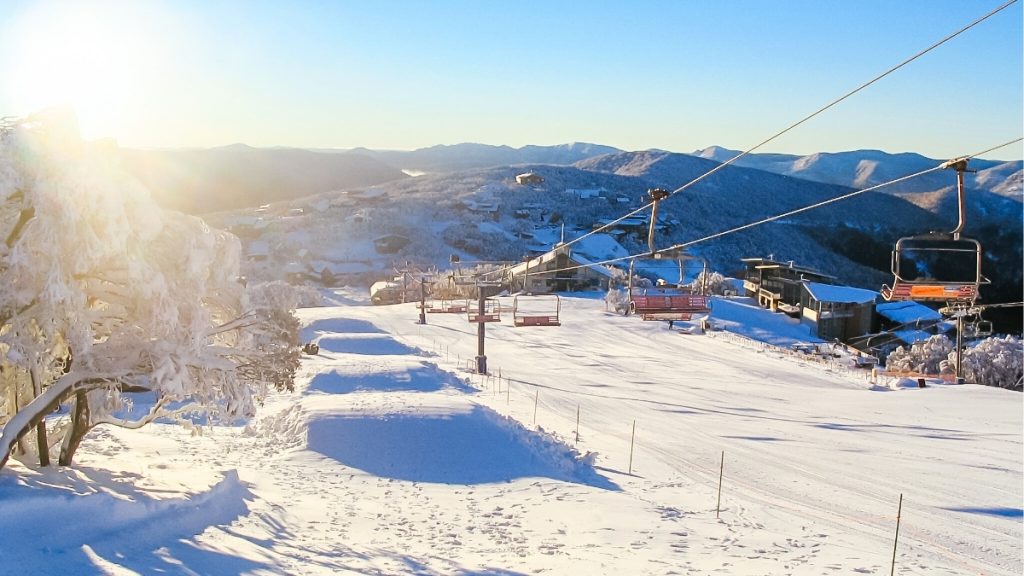
Yes, Australia does receive more snowfall than Switzerland. While Switzerland is famous for its Alps and iconic ski resorts, Australia’s alpine regions—particularly in New South Wales and Victoria—often accumulate more snow each year. This is due to factors like high-altitude snowfields, cold winter temperatures, and moisture-laden winds from the Southern Ocean. In this article, we explore why Australia receives more snow than Switzerland and showcase the best snow destinations for skiing, snowboarding, and other winter activities.
Why Does Australia Receive More Snowfall Than Switzerland?
Australia’s higher snowfall can be attributed to several climatic and geographical factors:
- Latitude and Elevation: Australia’s snowfields are situated at higher elevations, which allows for colder temperatures conducive to snowfall.
- Moisture-Laden Winds: The prevailing westerly winds bring moist air from the Southern Ocean, which, upon encountering the mountain ranges, cools and condenses to form snow.
- Winter Storms: Australia experiences intense winter storms that can lead to significant snowfall in a short period.
Where Can I Find the Most Snow in Australia?
Australia’s premier snow destinations are located in New South Wales and Victoria. These areas are known for their consistent and substantial snowfall during the winter months.
1. Perisher (New South Wales)
- Why It Snows: Situated at high altitudes, Perisher benefits from cold temperatures and moisture-laden winds, leading to substantial snowfall.
- Snowfall Data: Perisher receives significant snowfall, with recent reports indicating up to 82 cm of snow in a single storm.
- Activities: Skiing, snowboarding, snowshoeing, and snow tubing are popular activities.
- Snow Season: Typically from June to September.
2. Thredbo (New South Wales)
- Why It Snows: Thredbo’s elevation and geographical location make it a prime spot for snowfall.
- Snowfall Data: Thredbo experiences consistent snowfall, with recent reports indicating significant snow accumulation.
- Activities: Skiing, snowboarding, tobogganing, and après-ski activities.
- Snow Season: Usually from June to September.
3. Mount Hotham (Victoria)
- Why It Snows: Mount Hotham’s high elevation and exposure to westerly winds contribute to its heavy snowfall.
- Snowfall Data: Mount Hotham receives an average annual snowfall of approximately 63 inches, with around 21 snowfall days per year.
- Activities: Skiing, snowboarding, snowshoeing, and tobogganing.
- Snow Season: Typically from June to September.
4. Falls Creek (Victoria)
- Why It Snows: Falls Creek’s elevation and geographical position make it susceptible to significant snowfall.
- Snowfall Data: Falls Creek experiences substantial snowfall, with recent reports indicating significant snow accumulation.
- Activities: Skiing, snowboarding, snowshoeing, and tobogganing.
- Snow Season: Usually from June to September.
5. Mount Buller (Victoria)
- Why It Snows: Mount Buller’s elevation and exposure to westerly winds contribute to its snowfall.
- Snowfall Data: Mount Buller receives significant snowfall, with recent reports indicating up to 82 cm of snow in a single storm.
- Activities: Skiing, snowboarding, snowshoeing, and tobogganing.
- Snow Season: Typically from June to September.
In conclusion, Australia’s snow-covered regions, particularly in New South Wales and Victoria, receive substantial snowfall each year, offering excellent opportunities for winter sports and activities. These areas are well-equipped to handle the snow, providing a range of activities for enthusiasts and tourists alike.