

Can an International Student Apply for a Loan in Australia?
08/28/2025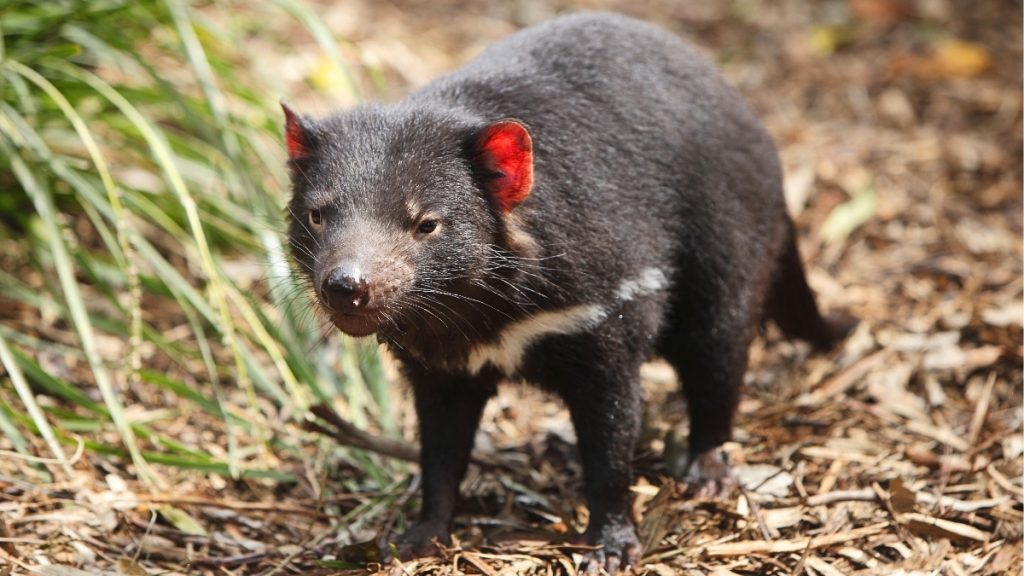
The Tasmanian devil, Australia’s iconic carnivorous marsupial, is facing a serious threat of extinction. Once common across the Australian mainland, these unique animals are now limited to the island of Tasmania. Several factors contribute to their endangered status, from disease to habitat limitations and reproductive challenges. Here’s a closer look at why the Tasmanian devil is endangered.
The Disease is Transmitted Through Bites During “Fights”
One of the main reasons Tasmanian devils are endangered is the Devil Facial Tumour Disease (DFTD). This contagious cancer spreads when devils bite each other during fights over food or mates. The cancer cells themselves act as the infectious agent, which is rare among mammals. Because Tasmanian devils are highly aggressive and frequently bite each other, the disease can spread rapidly throughout populations, leading to severe declines in numbers.
Tasmanian Devils are Found Only on One Island
Tasmanian devils are found exclusively on the island of Tasmania, located south of mainland Australia. They were once widespread across the continent, but extinction on the mainland occurred around 3,000 years ago, likely due to human activity and competition from dingoes. Today, Tasmania provides a safer habitat with fewer predators, but the limited range makes the species more vulnerable to disease, environmental changes, and human-related threats.
They Like to Eat Carrion on the Roads
Tasmanian devils are scavengers and often feed on roadkill along highways. While this behavior helps them find food easily, it also exposes them to vehicle collisions, which is a significant cause of death. Unfortunately, young and inexperienced devils are especially prone to being hit by cars, further reducing the already declining population. Roadways that intersect their natural habitat increase this risk.
Complicated and Inefficient Reproduction
Tasmanian devils have a unique reproductive system, but it is inefficient in restoring population numbers. Female devils can give birth to up to 20 joeys at a time, yet their pouches have only four teats, meaning only four offspring can survive. The remaining babies die naturally, limiting the growth of the population. Combined with other threats like disease and vehicle collisions, this slow reproductive rate prevents rapid population recovery, keeping the species at risk.
In summary, the Tasmanian devil is endangered due to a combination of factors: the spread of contagious facial tumor disease, restriction to one island, high road mortality, and inefficient reproduction. Conservation efforts, including disease-free breeding programs and protected habitats, are critical to ensuring the survival of this unique marsupial. Protecting the Tasmanian devil is essential for maintaining Tasmania’s ecosystem and preserving a species found nowhere else in the world.