
10 Endangered Australian Animals You Should Know
08/11/2025
Best Tattoo Artist in Brisbane Australia: Top 10 Studios
08/13/2025
Australia’s Indigenous artists are world-renowned for their ability to express culture, identity, and history through unique visual storytelling. These creators don’t just make art—they preserve traditions, communicate ancestral narratives, and influence the global art world. Below, we explore ten famous Indigenous artists from Australia, their rise to fame and cultural backgrounds
Richard Bell
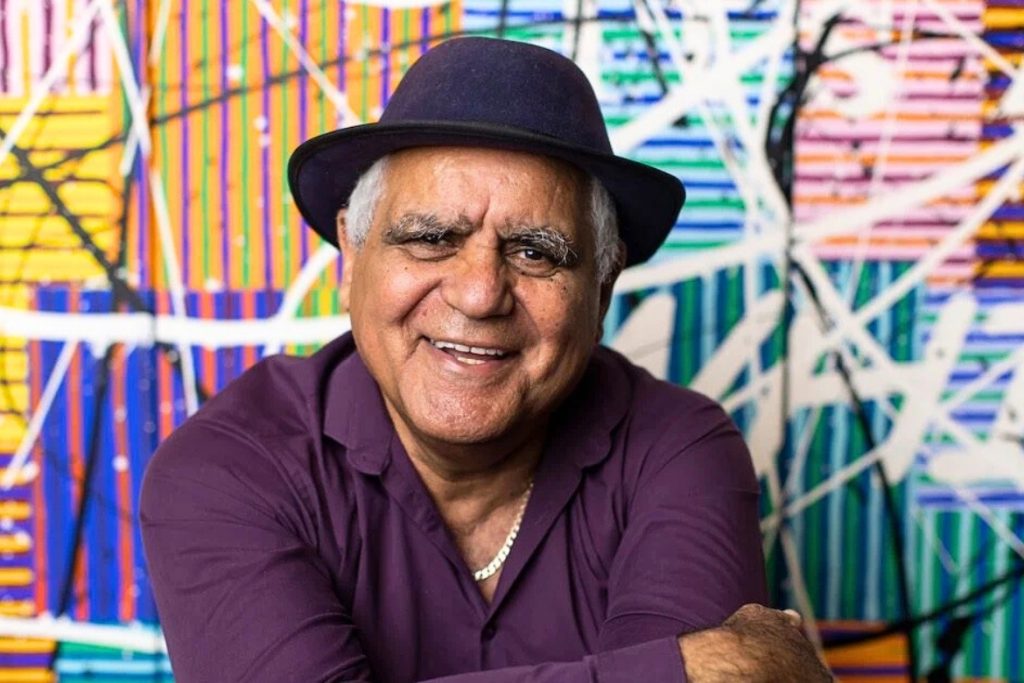
Richard Bell is one of the most provocative and internationally recognized Indigenous artists in Australia. Rising to prominence in the early 2000s, Bell is well-known for his bold, politically charged works that challenge stereotypes and colonial narratives. His piece Bell’s Theorem (2002) won the National Aboriginal & Torres Strait Islander Art Award and cemented his place in contemporary art.
Bell belongs to the Kamilaroi, Kooma, Jiman, and Gurang Gurang communities. What makes him famous is not just his art but also his activism—he uses humor and sharp critique to confront racism and inequality. As of 2025, Bell continues to exhibit globally, shaping conversations about Indigenous rights and representation in the modern world.
Bronwyn Bancroft
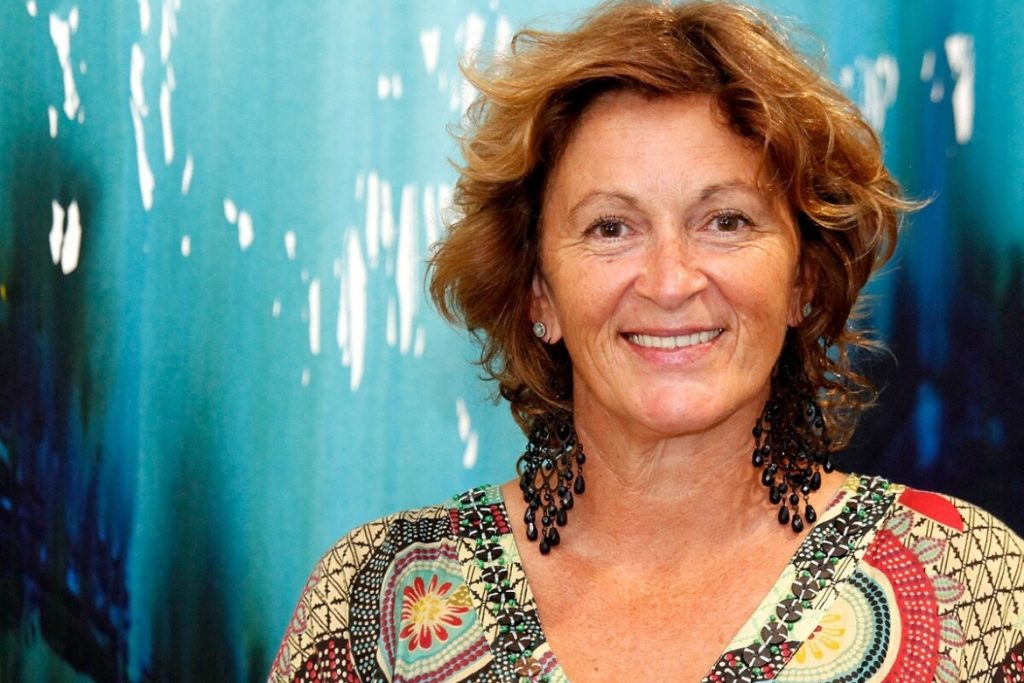
Bronwyn Bancroft is a celebrated Bundjalung artist, designer, and illustrator who rose to fame in the 1980s and 1990s. She is particularly famous for blending traditional Indigenous motifs with contemporary design, bringing Aboriginal aesthetics into the fields of fashion and children’s literature.
Her work has appeared internationally, and she is also known for illustrating more than 40 children’s books that bring Indigenous culture into classrooms and homes. Beyond her artistic practice, Bancroft is a cultural leader who advocates for Indigenous representation in the arts. By 2025, she remains a highly respected voice in both creative and educational circles.
Naata Nungurrayi
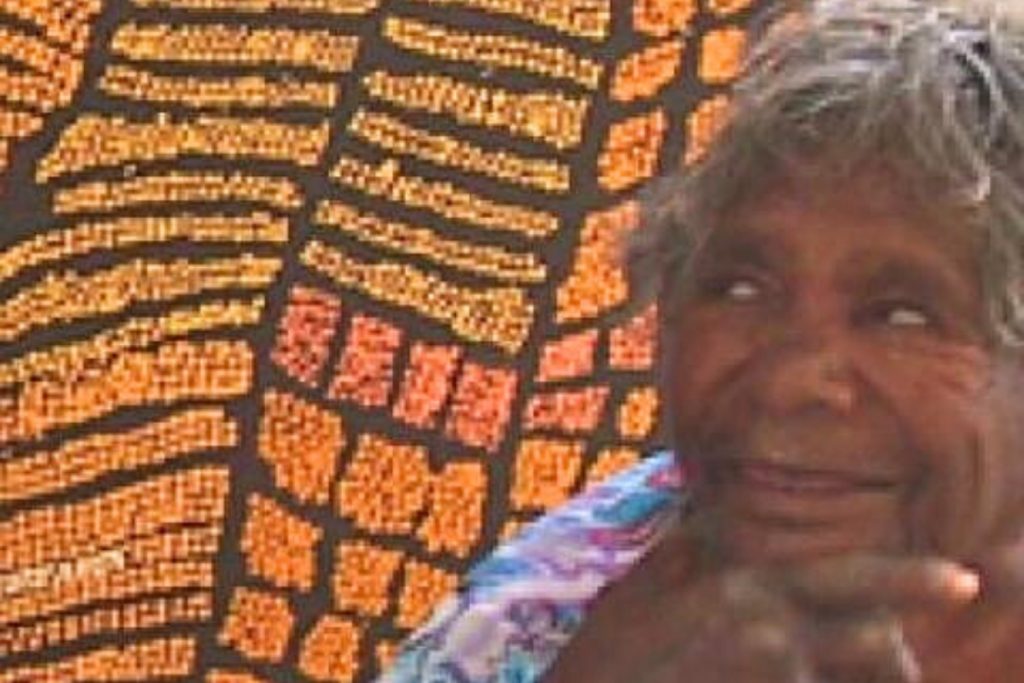
Naata Nungurrayi (c. 1932–2021) was a Pintupi woman and a key figure in the Papunya Tula art movement. She became famous in the late 1990s for her large-scale dot paintings that reflect sacred Dreaming stories, particularly women’s ceremonial sites and narratives.
Her art is deeply tied to her community, the Western Desert peoples. Nungurrayi’s works are internationally collected, with pieces housed in major institutions like the National Gallery of Australia. Although she passed away, her influence remains strong in 2025 as her art continues to inspire collectors and younger Indigenous artists.
John Mawurndjul
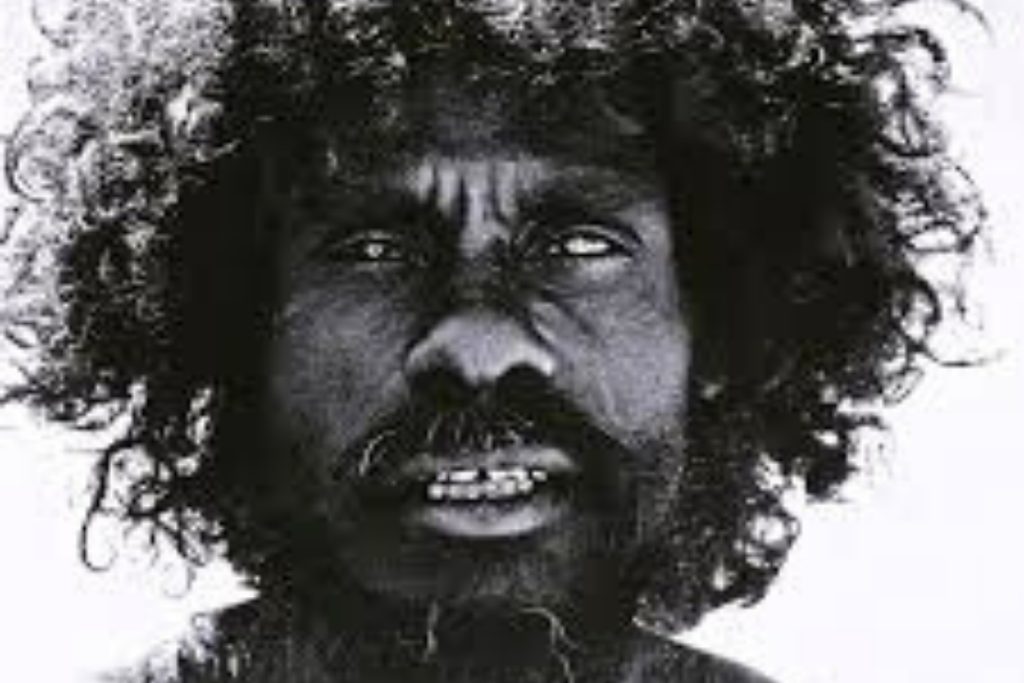
John Mawurndjul, from the Kuninjku people of Arnhem Land, is renowned for his mastery of rarrk (cross-hatching) painting. His career took off in the 1980s, and by the 2000s, he had gained worldwide recognition for transforming bark painting into a globally recognized contemporary art form.
What makes him famous is his ability to adapt sacred traditions into striking visual expressions that resonate with international audiences while staying rooted in culture. Mawurndjul’s work has been exhibited in Europe, the U.S., and Asia. As of 2025, he remains a leading figure in preserving and evolving Indigenous artistic traditions.
Dorothy Napangardi
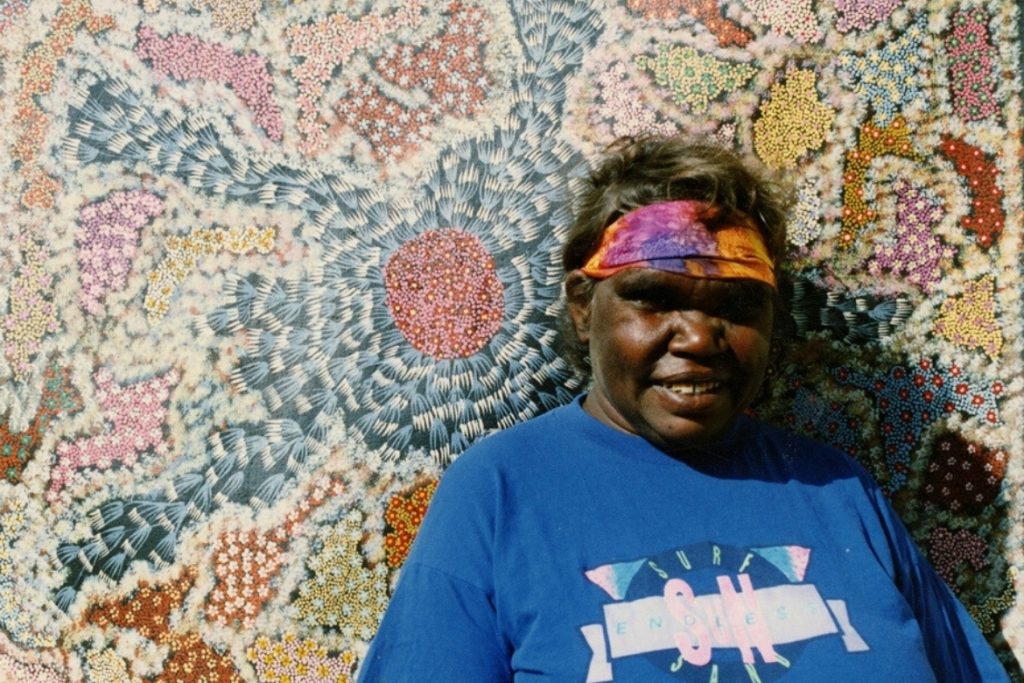
Dorothy Napangardi (c. 1950–2013) was a Warlpiri artist who rose to fame in the 1990s and early 2000s. She became widely known for her mesmerizing depictions of the Dreaming, particularly the landscapes around Mina Mina.
Her paintings, often created using delicate dotting techniques, explore themes of movement and space. Napangardi’s work has been celebrated internationally, and in 2001 she won the National Aboriginal & Torres Strait Islander Art Award. Although she passed away, her legacy remains alive in 2025, as her works are highly valued by collectors and museums.
Clifford Possum Tjapaltjarri

Clifford Possum Tjapaltjarri (1932–2002) was a pioneer of the Papunya Tula movement, famous in the 1970s and 1980s for his detailed and layered dot paintings. He was among the first to take Indigenous art to international audiences, helping to reshape how the world viewed Aboriginal culture.
He belonged to the Anmatyerre community. His large-scale narrative paintings, such as Warlugulong (1977), are iconic representations of Dreaming stories. Even in 2025, his influence is felt as his works remain benchmarks for Indigenous art’s global impact.
Rover Thomas
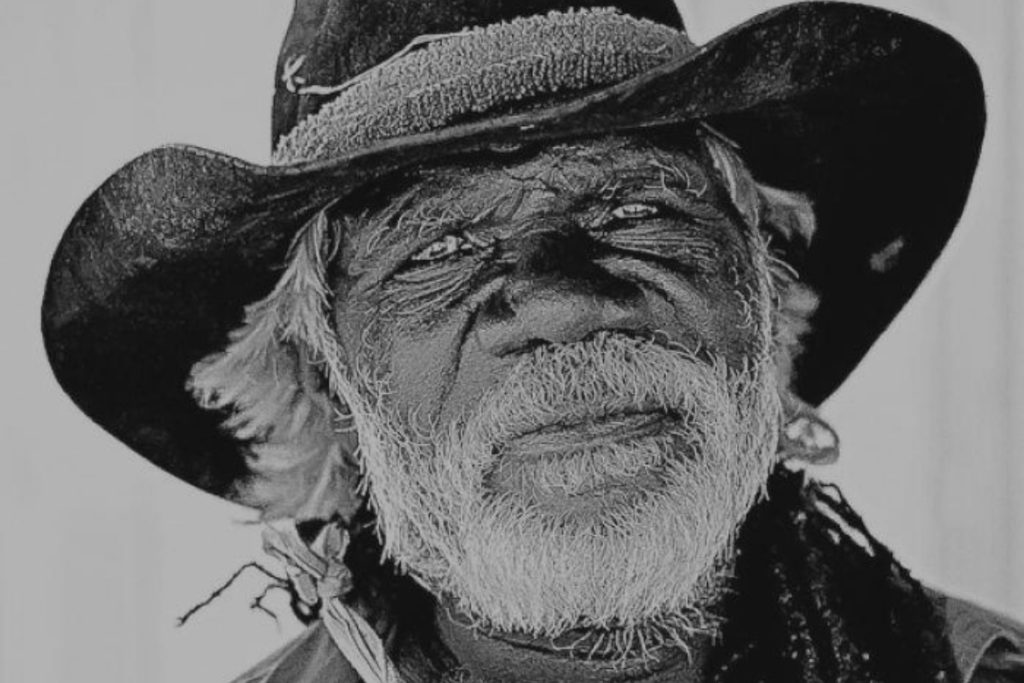
Rover Thomas (c. 1926–1998), a Kukatja and Wangkajunga man, is one of the most significant figures in Australian art. He gained fame in the 1980s with his bold ochre paintings that depicted landscapes, Dreamings, and historical events.
What set him apart was his ability to blend traditional storytelling with contemporary abstraction. Thomas represented Australia at the Venice Biennale in 1990, a milestone that brought Aboriginal art to the international stage. His work continues to be studied and collected worldwide, keeping his name alive in 2025.
Gloria Petyarre

Gloria Petyarre (c. 1945–2021), from the Anmatyerre people, is best known for her iconic Bush Medicine Leaves series. She became famous in the 1990s, winning the Wynne Prize in 1999, making her the first Indigenous Australian woman to do so.
Her art celebrates the healing properties of native plants, merging cultural knowledge with dynamic visual patterns. Gloria’s work remains influential, with pieces in major collections across the globe. Even after her passing, the demand for her art in 2025 underscores her lasting legacy.
Emily Kame Kngwarreye
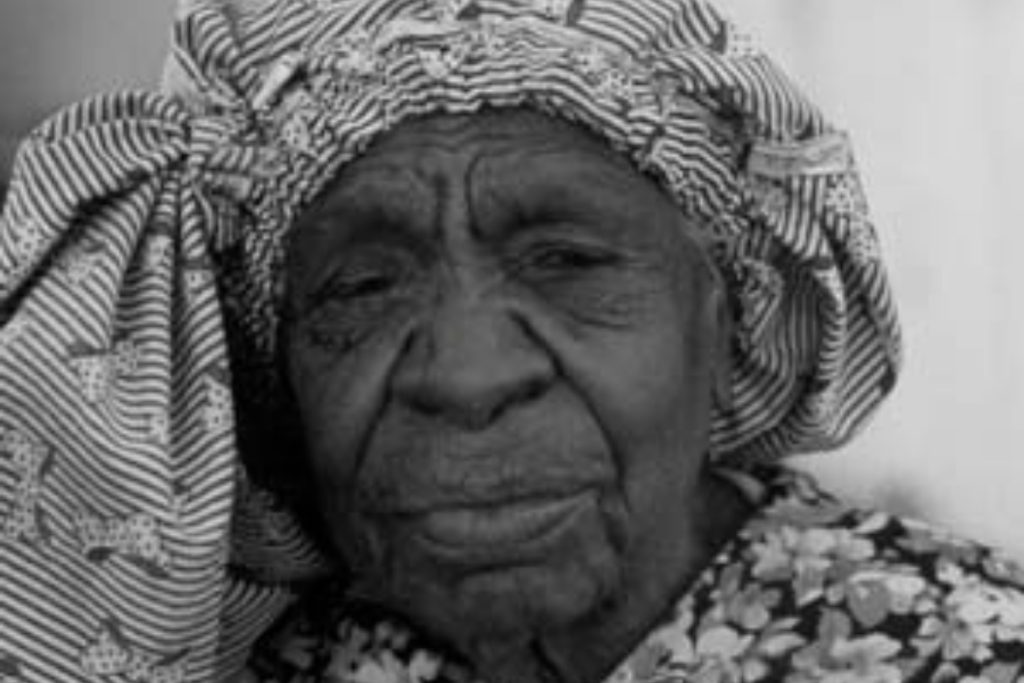
Emily Kame Kngwarreye (1910–1996) is one of Australia’s most famous Indigenous artists and among the most acclaimed female painters worldwide. She started painting late in life, around the late 1980s, but quickly rose to fame due to her groundbreaking abstract style.
A member of the Anmatyerre people, Emily’s work often explored the Dreaming tied to her country, Alhalkere. She created over 3,000 paintings in just eight years, and her pieces now sell for millions at international auctions. As of 2025, she remains a towering figure whose art continues to inspire contemporary abstraction globally.
Albert Namatjira
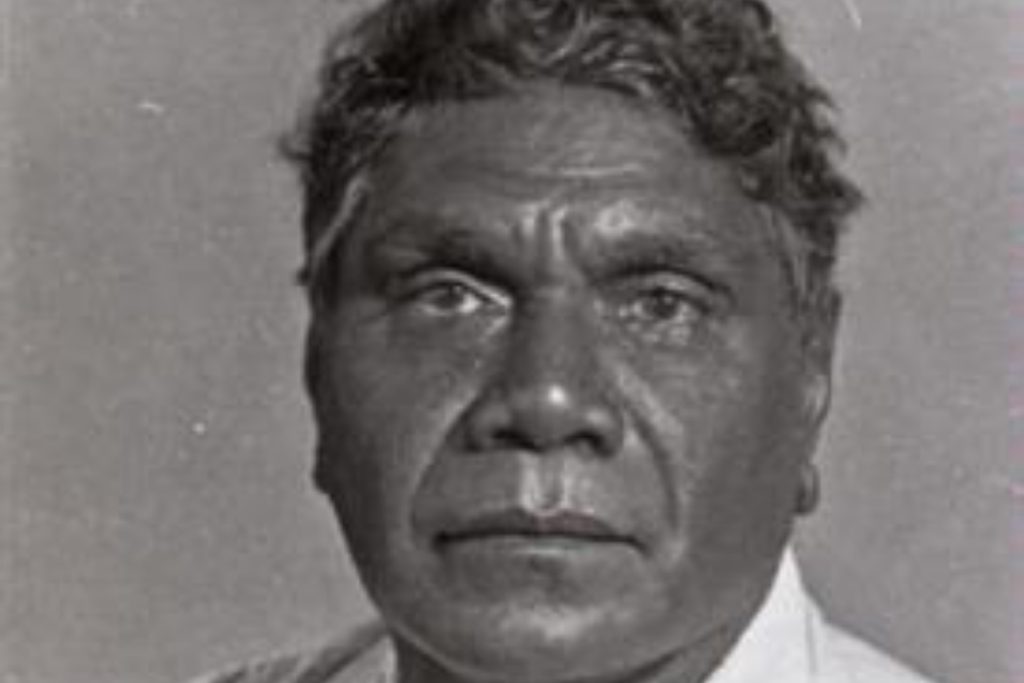
Albert Namatjira (1902–1959) was the first Indigenous Australian artist to gain national and international recognition. Famous in the 1930s and 1940s, he became known for his Western-style watercolor landscapes of the Central Australian desert.
Belonging to the Western Arrernte community, Namatjira bridged cultural divides by showing that Indigenous Australians could excel in European artistic traditions while staying connected to their heritage. His work paved the way for future generations of Indigenous artists, making him a cultural icon whose legacy remains powerful in 2025.
These ten famous Indigenous artists in Australia represent more than just individual success stories. They embody resilience, cultural continuity, and innovation. From Albert Namatjira’s pioneering landscapes to Richard Bell’s contemporary activism, their contributions have shaped both the Australian and international art scenes.
In 2025, their legacies continue to inspire new generations, ensuring that Indigenous voices remain central to global artistic conversations.