

Can Australian Invest in Bali Property? What You Need to Know
08/08/2025
Famous Indigenous Artists in Australia: Celebrating 10 Icons
08/12/2025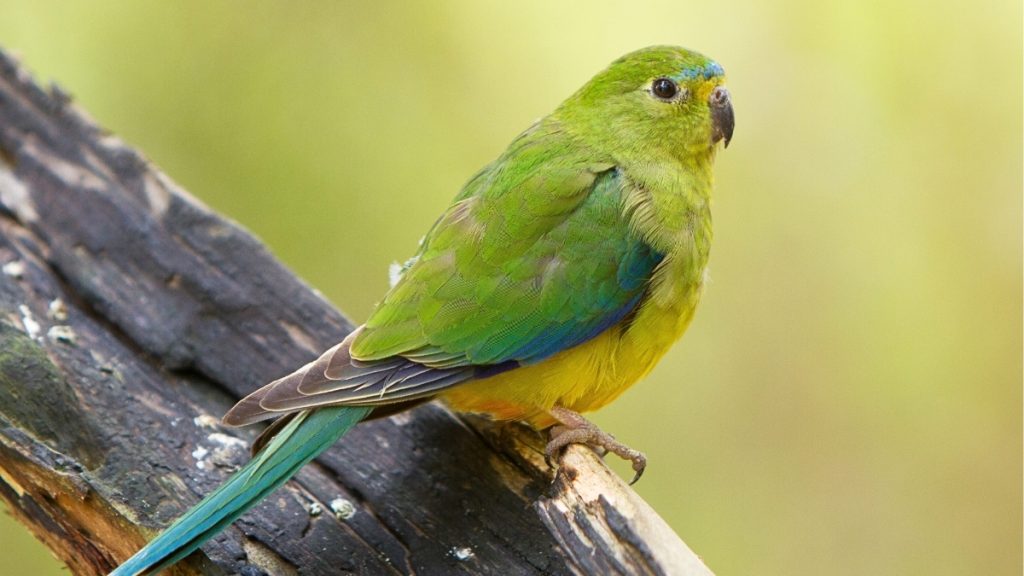
Australia is home to more than 500,000 species, many of which are found nowhere else in the world. But its wildlife is under serious pressure. According to the Australian Government’s Department of Climate Change, Energy, the Environment and Water (DCCEEW), over 1,700 species and ecological communities are officially listed as threatened under the Environment Protection and Biodiversity Conservation Act 1999 (EPBC Act). This includes hundreds of mammals, birds, reptiles, and amphibians now classified as Vulnerable, Endangered, or Critically Endangered.
Australia also holds a grim record: it has the highest rate of mammal extinctions in the world since European settlement. Land clearing, invasive predators like foxes and feral cats, bushfires, and climate change continue to push species towards extinction.
In this article, we highlight 10 endangered Australian animals that represent the urgent need for conservation. Each of them is officially recognised under the EPBC Act as threatened, and their survival depends on immediate action through breeding programs, habitat protection, and community-driven conservation efforts.
Orange-bellied Parrot
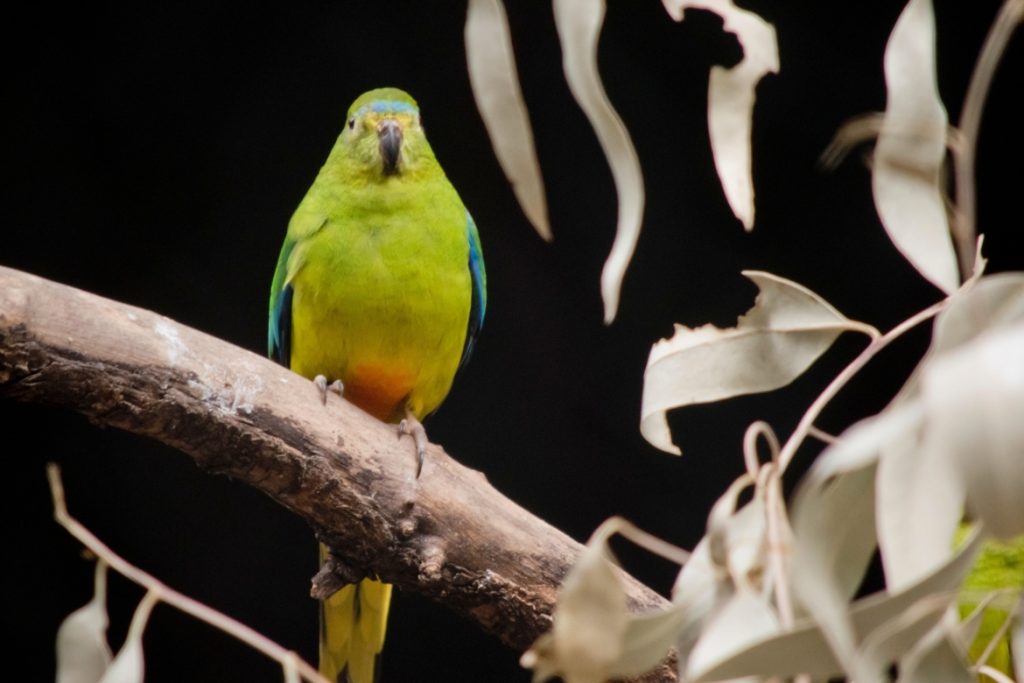
EPBC Status: Critically Endangered
Scientific name: Neophema chrysogaster
The Orange-bellied Parrot is one of the rarest parrots in the world, with fewer than 200 left in the wild and about 300 maintained in captivity. This small migratory bird breeds in Tasmania and crosses the Bass Strait annually, making it highly vulnerable to habitat loss and extreme weather. In recent years, recovery programs have offered hope, with government funding supporting captive breeding and migration tracking. In 2024, more than 90 individuals returned to Tasmania, one of the highest numbers recorded in decades.
Regent Honeyeater
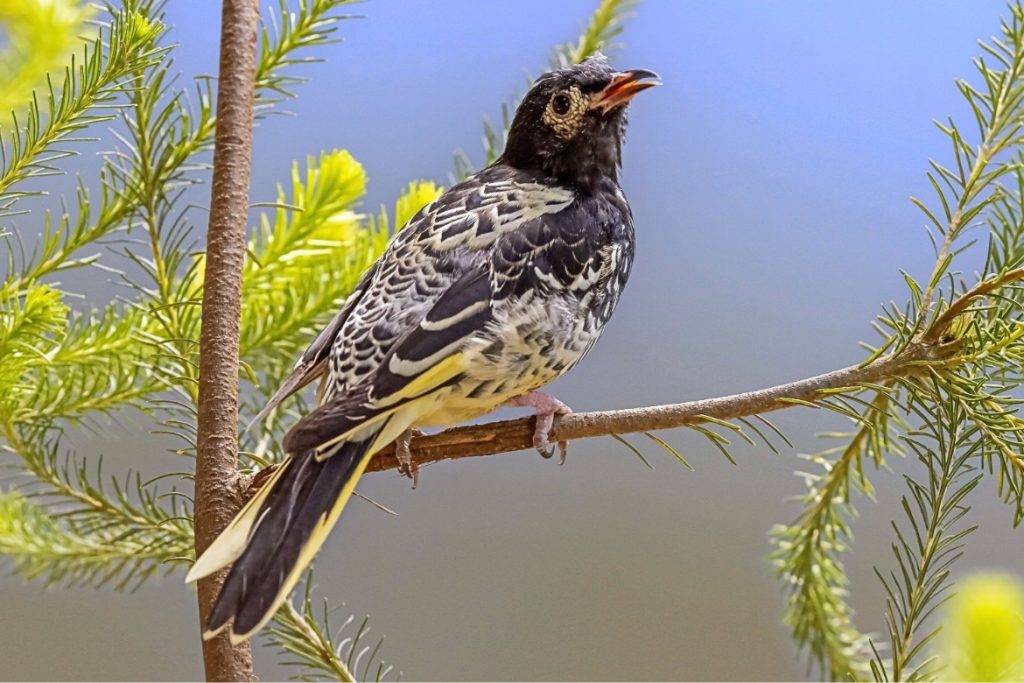
EPBC Status: Critically Endangered
Scientific name: Anthochaera phrygia
Once common in southeastern Australia, the Regent Honeyeater is now down to only a few hundred individuals in the wild. Its dramatic decline is due to large-scale clearing of eucalyptus forests, which provide its main food source. Listed as critically endangered, the bird is now supported by a national recovery plan combining habitat restoration and captive breeding. Volunteers also plant flowering trees to rebuild nectar supplies vital for its survival.
Mountain Pygmy Possum
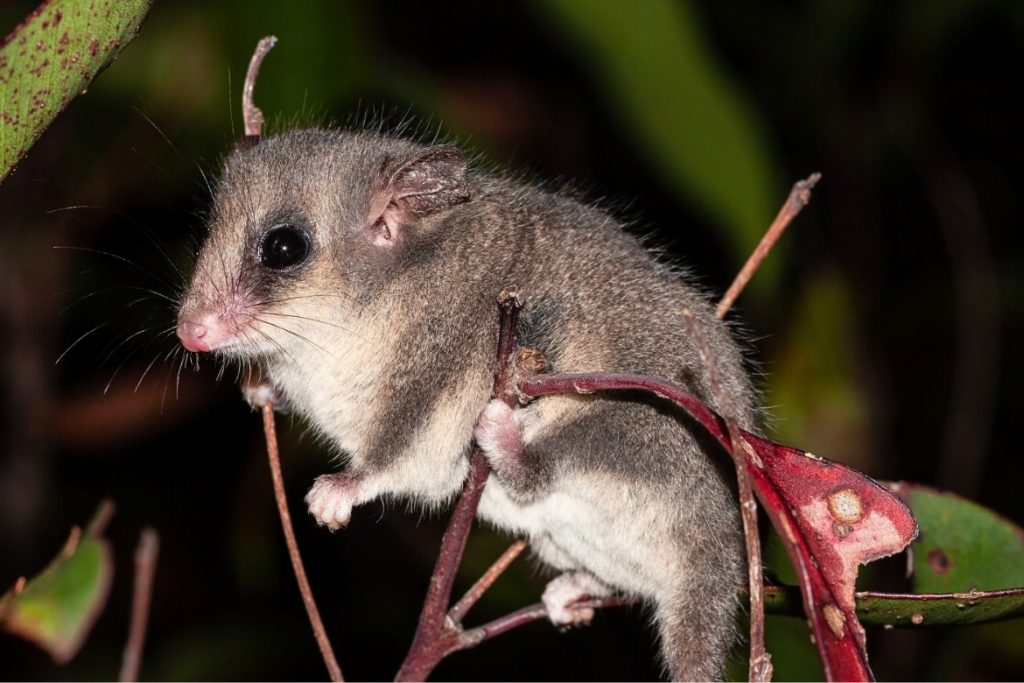
EPBC Status: Endangered
Scientific name: Burramys parvus
Found in alpine regions of Victoria and New South Wales, the Mountain Pygmy Possum is one of the only hibernating marsupials in Australia. With fewer than 2,000 individuals remaining, the species is threatened by climate change as reduced snow cover affects their ability to survive winter. Ski resort development further fragments their fragile habitat. Conservationists are protecting alpine vegetation and trialling relocations to cooler habitats to give the species a chance.
Woylie
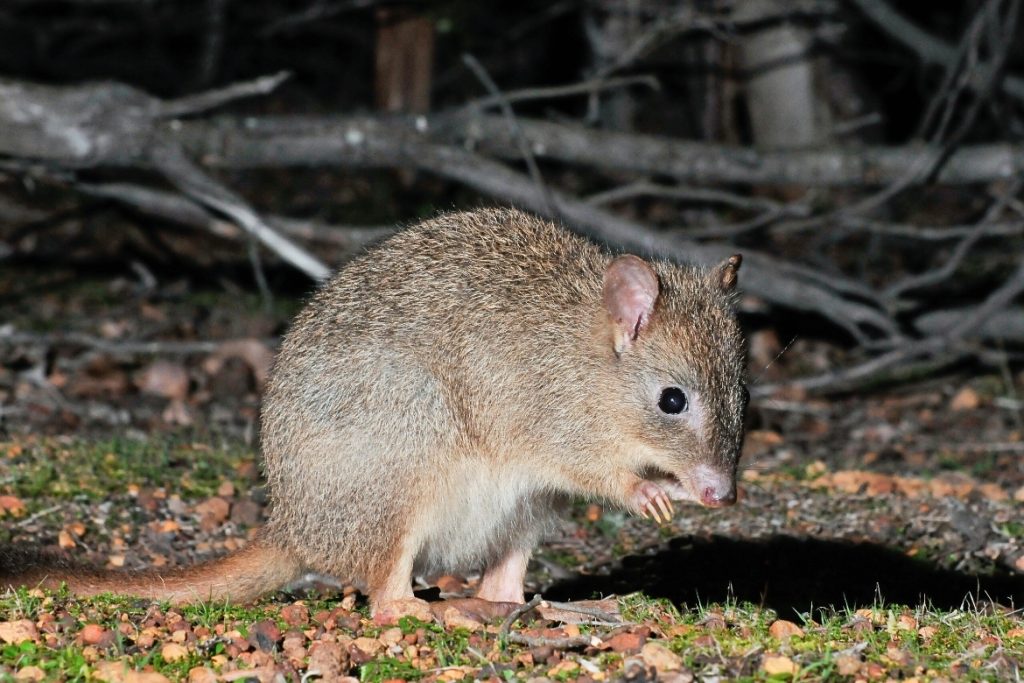
EPBC Status: Endangered
Scientific name: Bettongia penicillata
The Woylie, also known as the brush-tailed bettong, has suffered a 90% population decline due to predation by feral cats and foxes. Once common across southern Australia, it now survives mainly in predator-free sanctuaries. Protecting this small marsupial is crucial because woylies play an important ecological role in dispersing seeds and maintaining soil health. Conservation efforts, including reintroductions and predator control, are helping the species slowly recover.
Numbat
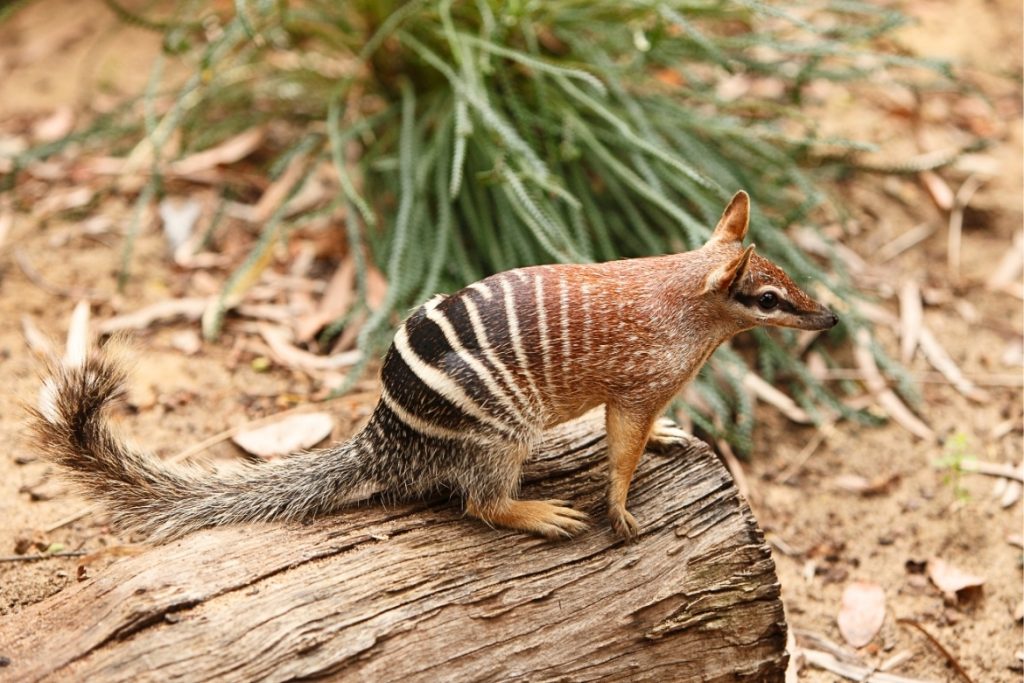
EPBC Status: Endangered
Scientific name: Myrmecobius fasciatus
Western Australia’s faunal emblem, the Numbat, is a small termite-eating marsupial with a long sticky tongue. Fewer than 1,000 remain in the wild, making it one of Australia’s rarest mammals. Its daytime activity and restricted diet make it especially vulnerable to habitat loss and predators. Intensive reintroduction projects and predator-controlled reserves have helped populations stabilise, but the species remains highly threatened.
Eastern Quoll
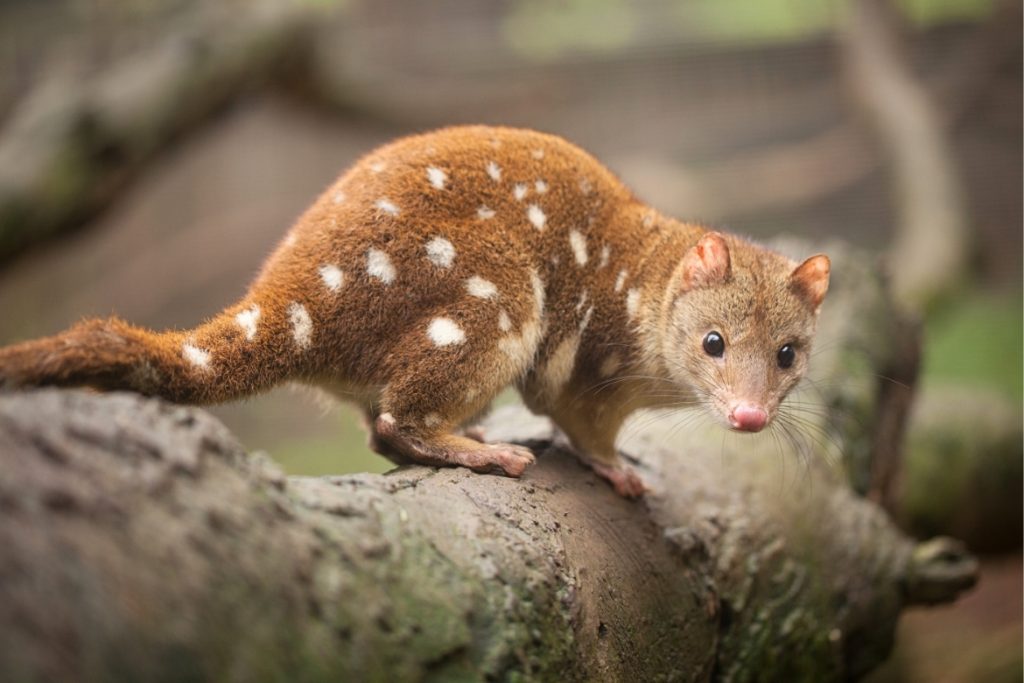
EPBC Status: Endangered
Scientific name: Dasyurus viverrinus
Once widespread on mainland Australia, the Eastern Quoll is now extinct there and found only in Tasmania. The decline was driven by habitat clearing and predation from introduced species. Listed as endangered, the Eastern Quoll is now part of reintroduction programs into fenced reserves on the mainland, where early results show signs of success. Conservationists hope these efforts will eventually restore populations beyond Tasmania.
Gouldian Finch
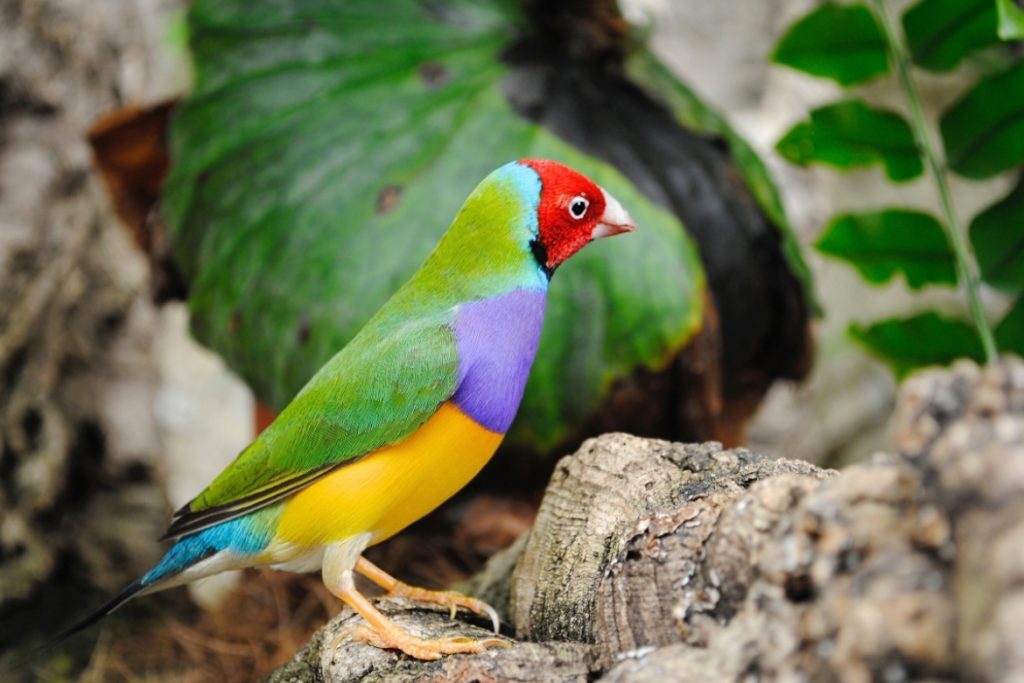
EPBC Status: Endangered
Scientific name: Erythrura gouldiae
The Gouldian Finch, often called the “rainbow finch,” is one of Australia’s most colourful birds. Despite its beauty, only about 2,500 adults remain in the wild. The species has declined due to altered fire regimes and overgrazing, which have destroyed the grasslands it depends on. Captive breeding and habitat restoration projects in northern Australia are central to efforts to keep this species from extinction.
Eastern Curlew
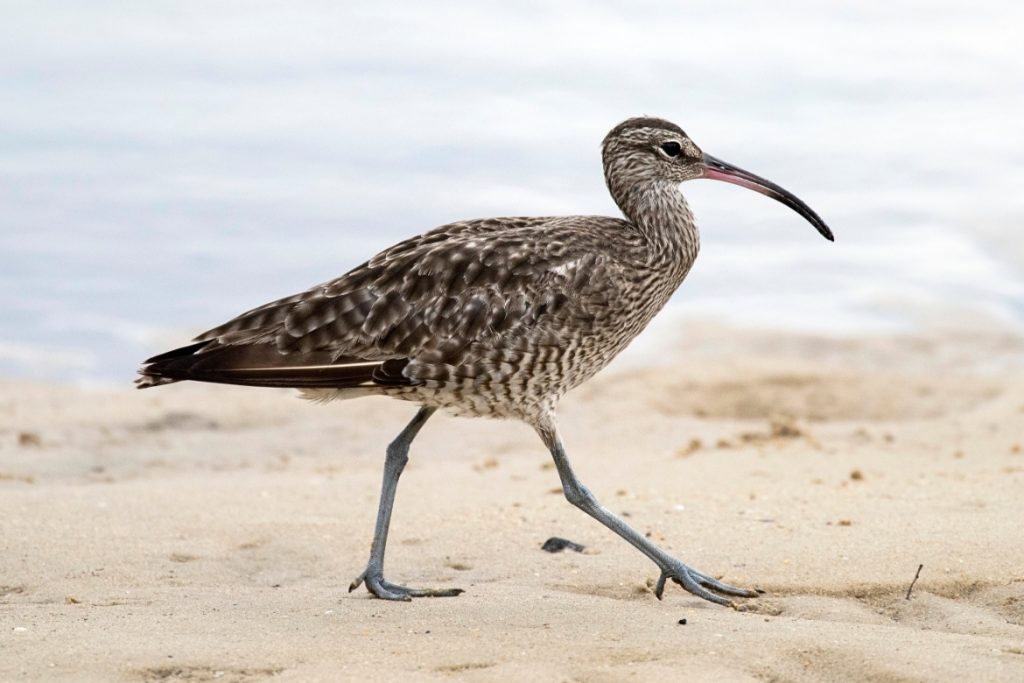
EPBC Status: Critically Endangered
Scientific name: Numenius madagascariensis
The Eastern Curlew is the world’s largest migratory shorebird, but its population has dropped by over 80% in the past 30 years. Every year it migrates thousands of kilometres along the East Asian–Australasian Flyway, yet coastal development and wetland loss have devastated its stopover habitats. Protecting tidal wetlands in Australia and across Asia is essential to its survival, and the species is a priority in international conservation agreements.
Black-flanked Rock-wallaby
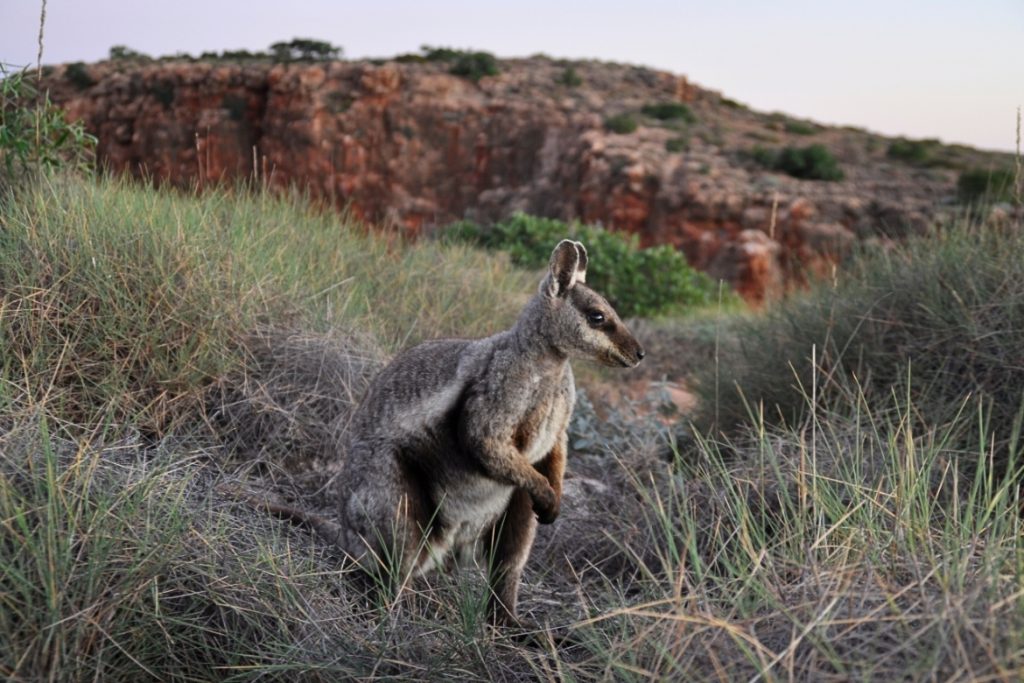
EPBC Status: Vulnerable
Scientific name: Petrogale lateralis
The Black-flanked Rock-wallaby is an agile marsupial that inhabits rocky outcrops in Western Australia. Once widespread, it now exists in small, fragmented populations due to habitat loss and predation. Listed as vulnerable, the species is benefitting from predator control programs and the creation of habitat corridors, which are helping some populations slowly recover.
Purple-crowned Fairy-wren
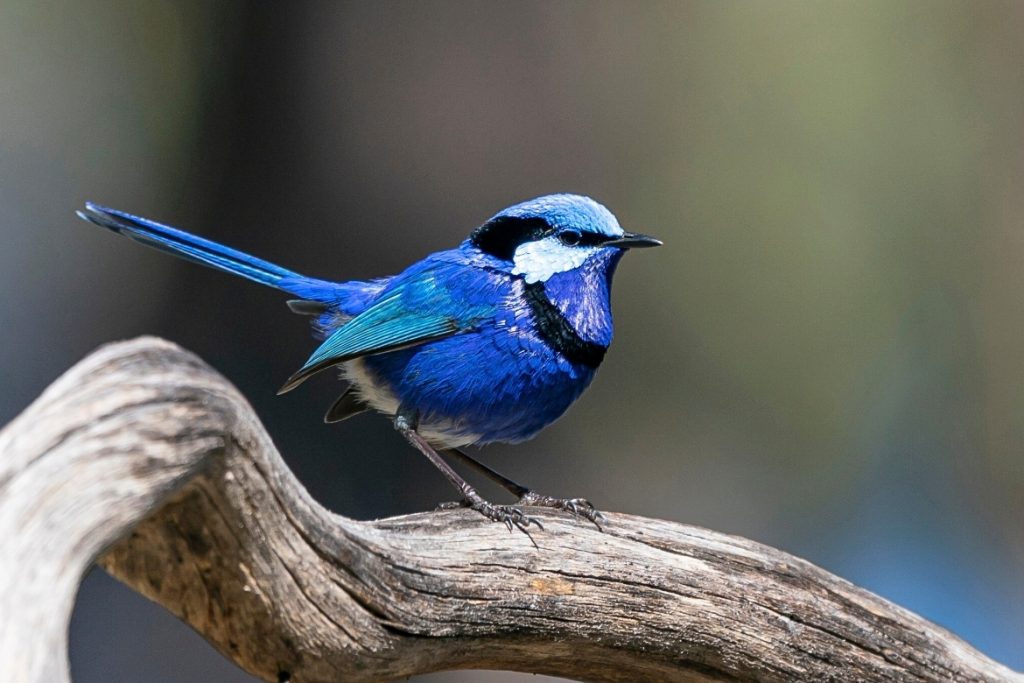
EPBC Status: Vulnerable
Scientific name: Malurus coronatus
The Purple-crowned Fairy-wren is a small bird that lives along northern Australia’s rivers. Its population is declining due to the destruction of dense riverside vegetation from livestock grazing and land clearing. Restoration of riparian habitats and better waterway management are critical steps for its conservation. Community-driven conservation projects are now focusing on rehabilitating riverbanks to secure the species’ future.
From the colourful Gouldian Finch to the tiny Mountain Pygmy Possum, these endangered animals represent both the uniqueness and fragility of Australia’s biodiversity. While threats such as habitat loss, predators, and climate change continue, active conservation programs and community involvement offer hope. Protecting these species is not only about saving individual animals but also about preserving Australia’s natural heritage for generations to come.