

Best Tattoo Artist in Brisbane Australia: Top 10 Studios
08/13/2025
10 Best Places to Visit in Victoria, Australia: Top Attractions
08/15/2025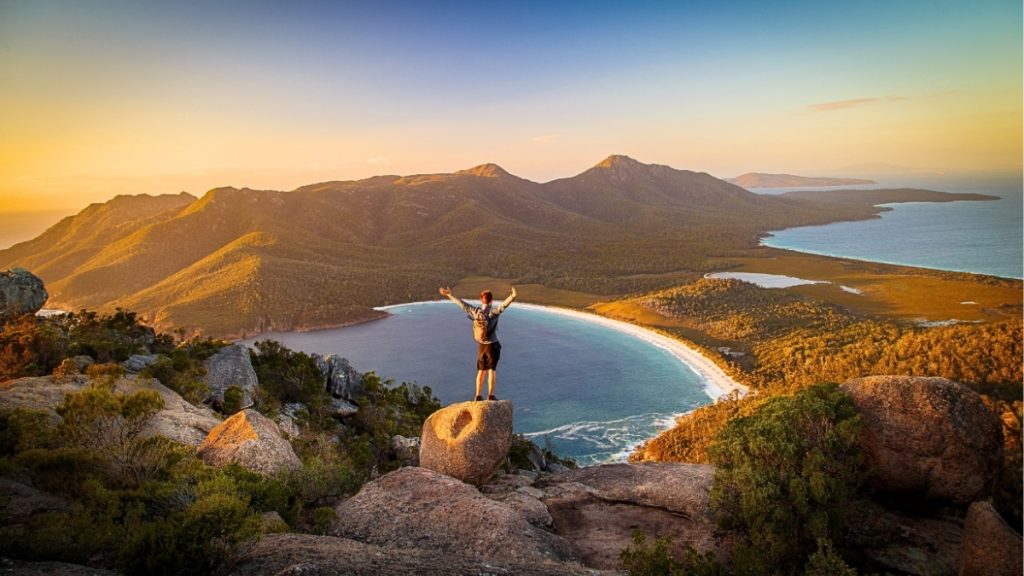
Tasmania, the stunning island state of Australia, is a dream destination for nature lovers, adventure seekers, and culture enthusiasts. But one common question travelers often ask is: When is the best time to visit Tasmania? The answer depends on what kind of experience you’re looking for. If you want to enjoy warm weather, outdoor festivals, and long daylight hours, the summer season from December to April is the perfect choice. However, if you prefer fewer crowds, cozy winter escapes, or breathtaking snowy landscapes, other months also offer their own unique charm.
What Are the Best Months in Tasmania?
The best months to visit Tasmania are December to April. During this period, Tasmania enjoys summer and early autumn, meaning warmer weather, longer daylight hours, and ideal conditions for exploring the island’s national parks and beaches. Outdoor activities like hiking, kayaking, and wildlife watching are at their peak, while the calendar is filled with cultural events and food festivals.
If summer doesn’t suit your schedule, don’t worry. Visiting in May to August is perfect for travelers who prefer a quieter, slower-paced experience. Winter turns Tasmania into a cozy retreat, with snow-dusted mountains, crackling fireplaces, and hearty local food. Meanwhile, September to November (spring) is a great alternative, when wildflowers bloom across the countryside, and wildlife is especially active.
Must-Visit Tourist Attractions in the Best Months in Tasmania
Since December to April is the most recommended time, here are the must-visit attractions and activities you shouldn’t miss:
- Cradle Mountain-Lake St Clair National Park
Summer is the best time to tackle the world-famous Overland Track, a six-day hike through stunning alpine landscapes. Even if you’re not up for long hikes, shorter walks offer breathtaking views of glacial lakes and rugged peaks. - Wineglass Bay, Freycinet National Park
With clear skies and warm weather, this iconic beach is at its most spectacular. Visitors can hike to the lookout for sweeping views, go kayaking in the turquoise waters, or simply relax on the pristine white sand. - MONA FOMA Festival (January)
Hobart hosts one of Australia’s most unique art and music festivals. The Museum of Old and New Art (MONA) transforms the city with eclectic performances, exhibitions, and cultural events, making it a must for art lovers. - Bruny Island
December to April is also the perfect time to explore Bruny Island’s food scene. From fresh oysters to artisan cheeses, it’s a foodie’s dream. Pair this with wildlife tours where you might spot fur seals, penguins, or even dolphins. - Bay of Fires
Known for its orange-lichen-covered boulders and white sandy beaches, this destination shines under the summer sun. Visitors often camp, swim, or simply soak up the incredible coastal scenery. - Port Arthur Historic Site
Spring and autumn are the best seasons to explore this UNESCO World Heritage-listed site. The weather is mild, making it comfortable to walk around the preserved ruins, gardens, and historic buildings. Guided tours and the famous ghost tour bring the site’s haunting past to life, offering visitors both history and atmosphere without the peak summer crowds.
For those who travel in winter months (June–August), consider visiting Mt Wellington/Kunanyi in Hobart for snowy views, or cozy up in boutique lodges near Derwent Valley for a true winter escape. Spring travelers will enjoy Maria Island, where wildflowers bloom and wombats wander freely.
The best time to visit Tasmania is from December to April, when the island is alive with sunshine, festivals, and outdoor adventures. Still, every season in Tasmania has its own story to tell. Whether you’re drawn to the summer buzz, autumn colors, winter calm, or spring blooms, Tasmania always delivers an unforgettable journey. The key is to match your visit with the kind of experience you want—because in Tasmania, there’s no wrong time to explore.