

10 Best Places to Visit in Victoria, Australia: Top Attractions
08/15/2025
Why Melbourne is Better Than Sydney: A Complete Comparison
08/19/2025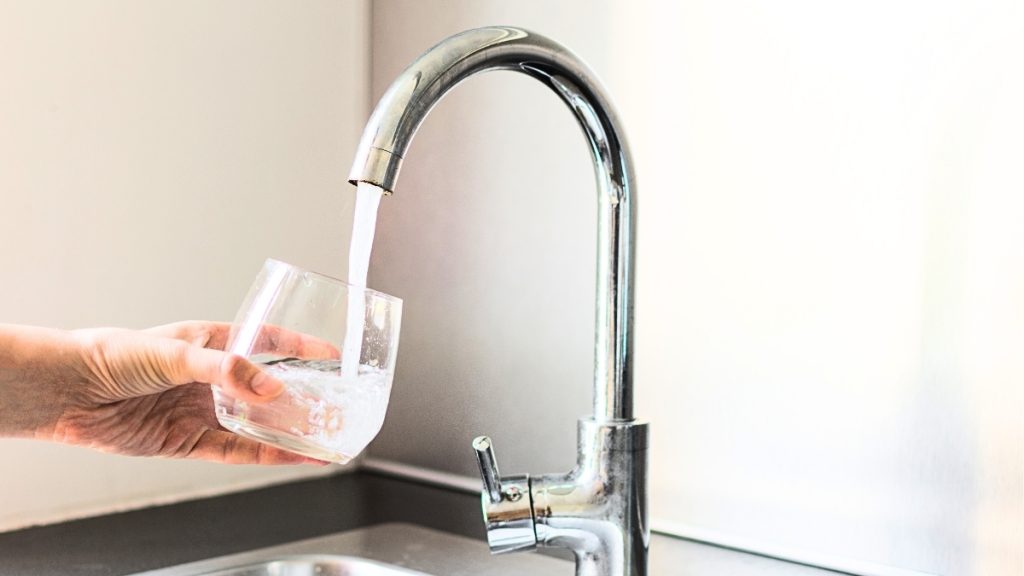
Melbourne isn’t just famous for its coffee culture and vibrant laneways — it’s also known for having some of the cleanest drinking water in the world. Every glass of tap water in the city comes from pristine mountain catchments, protected forests, and carefully managed reservoirs. According to Melbourne Water, compliance with the Australian Drinking Water Guidelines (ADWG) sits at over 99%, making it among the safest tap water supplies globally.
The ADWG, developed by the National Health and Medical Research Council (NHMRC), is Australia’s national standard for safe drinking water, covering microbial, chemical, and aesthetic parameters. With such strict oversight, Melbourne’s water is not just safe — it’s internationally recognised for its quality.
Is Tap Water in Melbourne Safe to Drink?
Yes — tap water in Melbourne is safe to drink. The city’s water supply is managed under the Australian Drinking Water Guidelines (ADWG), which are among the strictest standards in the world. According to Melbourne Water, compliance with these guidelines consistently exceeds 99%, ensuring that the water meets both health and aesthetic standards.
For most people, Melbourne’s tap water is perfectly safe. However, health authorities sometimes note that vulnerable groups such as infants, the elderly, or people with weakened immune systems may need to be more cautious. Another small risk comes from old plumbing — in some older houses or buildings, pipes made from lead or copper could affect water quality. In such cases, letting the tap run briefly before drinking is recommended.
Water Quality and Resources in Melbourne
Melbourne’s tap water comes from mountain catchments like the Yarra Ranges, Thomson Reservoir, and Upper Yarra Reservoir—areas deliberately protected from urban development and agriculture. This pristine source means the water requires minimal treatment, unlike water supplies in many other world cities.
Every year, Melbourne Water performs extensive testing across more than 160 sites—including reservoirs, pipelines, and retail supply points—to monitor water quality parameters such as E. coli, turbidity, pH, chlorine levels, fluoride, and contaminants like pesticides and PFAS compounds. Results consistently show that pesticide levels remain well below health-based guideline values.
From a medical perspective, the Victoria Department of Health’s Chief Health Officer confirmed that “Victoria’s water authorities continue to supply safe drinking water across the state”, highlighting that around 95% of Victorians benefit from safe, good-quality drinking water.
These findings reinforce that Melbourne’s tap water is not only naturally clean but also medically safe for consumption.
Do Tourists Need to Cook or Boil Water?
No — tourists do not need to cook or boil tap water in Melbourne. The water is safe to drink straight from the tap in hotels, restaurants, and public places.
The only exception is if the Victorian Government issues a boil water notice, which can happen in rare cases after major storms, flooding, or maintenance work on pipes. These alerts are uncommon and are always communicated clearly to residents and visitors.
For tourists who still feel uncertain, there are simple alternatives: using a bottle with a built-in filter, buying bottled water from supermarkets like Coles or Woolworths, or refilling bottles at the many drinking fountains located around the city.
While people in older buildings or with specific health concerns may take extra precautions, the overall message is clear: yes, Melbourne’s tap water is safe to drink, and it remains one of the city’s most underrated assets. Choosing tap water over bottled options also means less plastic waste and a more sustainable lifestyle — another reason to raise a glass straight from the tap.